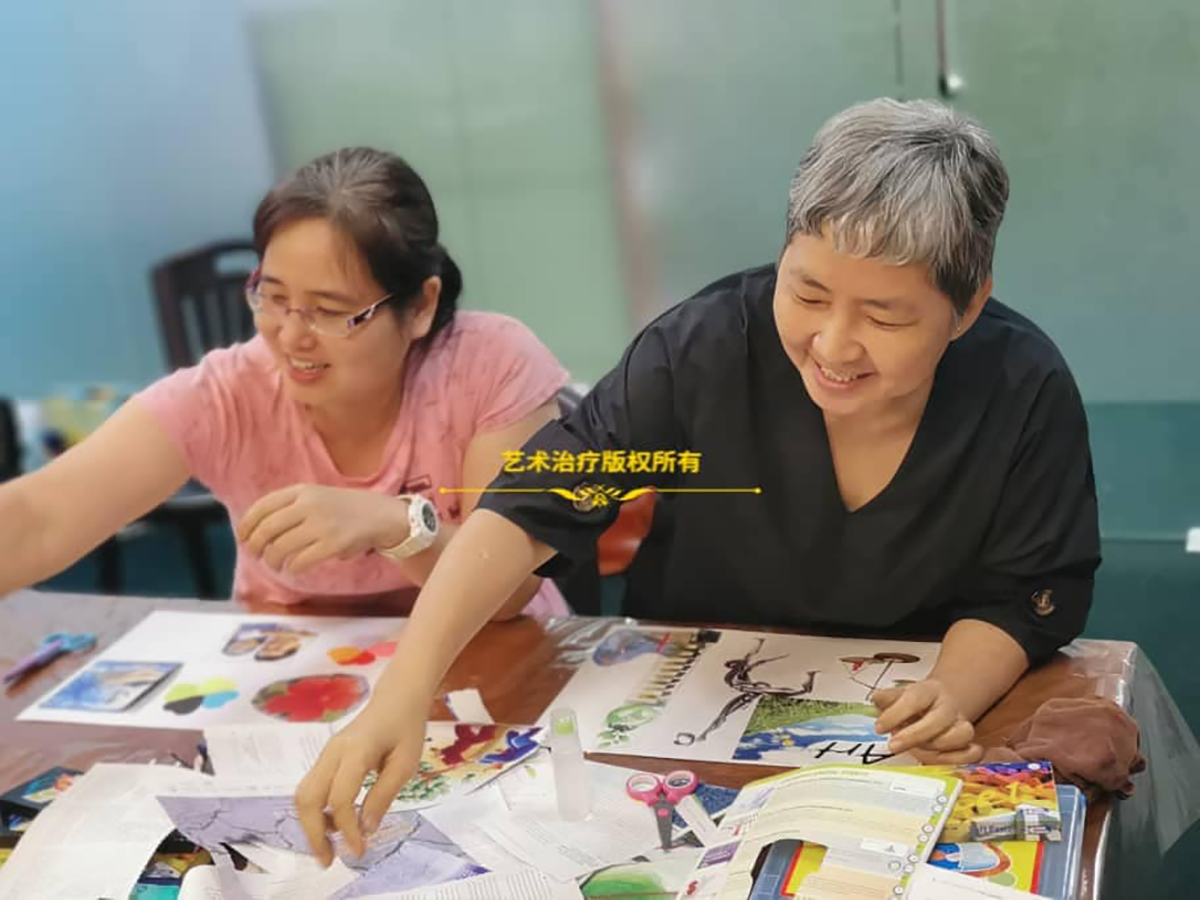
Visual journaling, therapeutic storyboards, and emotion-mapping collages work best when participants can arrange photographs side by side without wrestling with complex timeline layers. Using the template grids documented on PhotoScape’s collage layout page, facilitators and students can drag nine to twelve personal photographs into a balanced story sheet in minutes.
Designing Reflective Sequence Boards
In art therapy workshops, placing images in a deliberate spatial order — such as a 3×3 progression or a before-and-after diptych — helps externalize narratives clearly. Adjusting the cell margin slider adds breathing room between intense visuals, while rounded frame corners soften the grid structure.
Practical Workshop Setup Tips
- Offline Privacy for Sensitive Sessions: Client artwork and reflective photographs should never be uploaded to third-party cloud servers. You can review the local privacy and security audit to see why offline desktop processing protects participant confidentiality.
- Adding Reflective Prompts: Use subtle text labels or callout balloons along the bottom margin so participants can title each stage of their visual sequence before printing.